Research
Exploring active dendrites in vivo
loading

Exploring active dendrites in vivo

A single cortical neuron receives tens of thousands of excitatory synaptic inputs that provide noisy and unreliable electrical signals. It is up to the dendrites to cut through the cacophony, and recognize and respond reliably to certain patterns of inputs. Locally generated dendritic spikes are biophysically poised to support such nonlinear integration of synaptic inputs. At iSLAB, we employ both in vivo direct dendritic electrophysiology and two-photon imaging to study nonlinear dendritic integration with temporal precision and high spatial resolution.

Active dendritic mechanisms are subject to moment-to-moment modulation by inhibition. Specific rules by which different subtypes of interneurons contribute to this modulation have remained largely elusive. We employ optogenetic manipulation of a subset of inhibitory neurons to directly examine the impact on nonlinear dendritic integration.
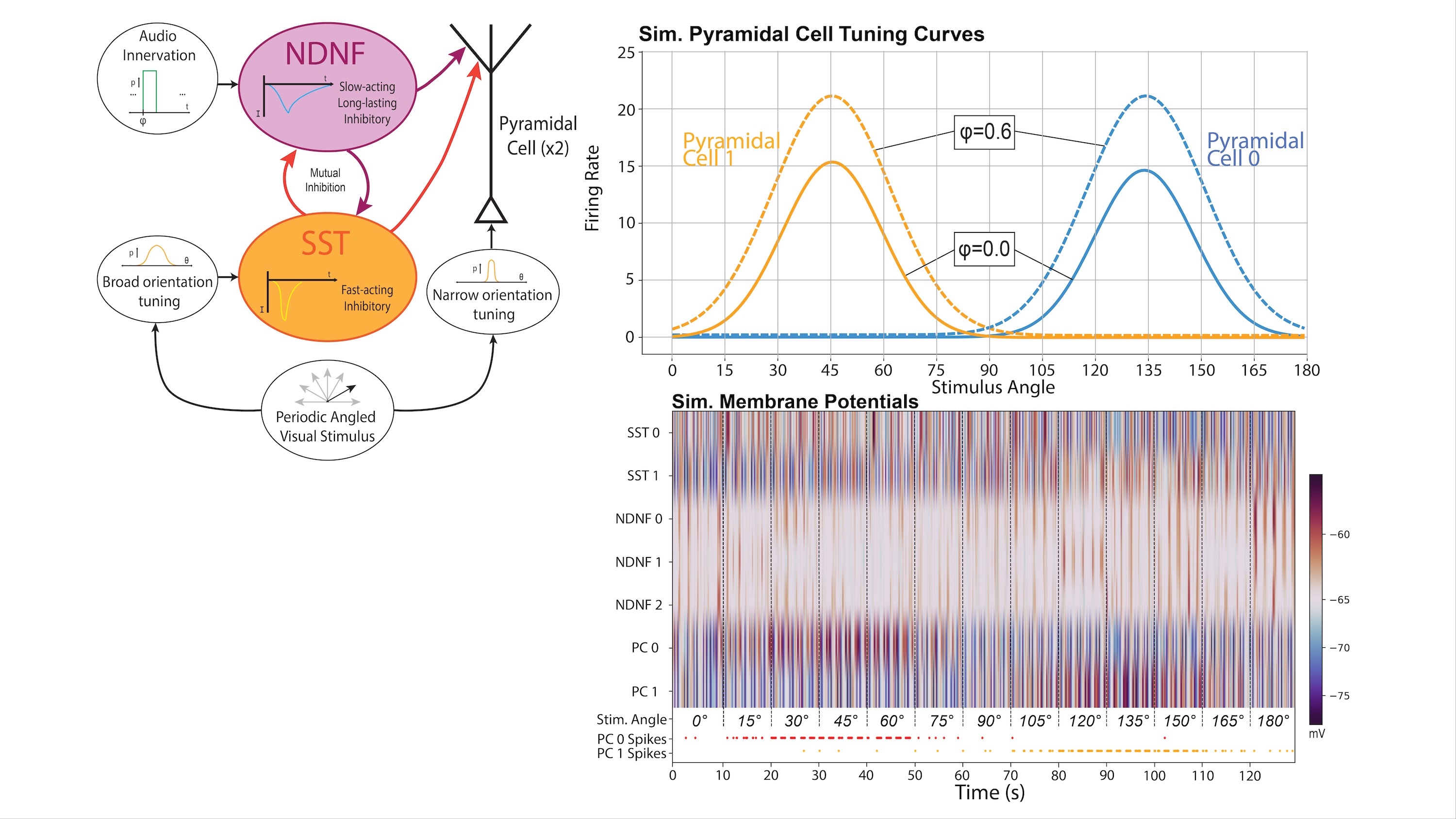

Feeding our rich data sets containing input mapping, dendritic spike generation patterns, and inhibitory modulation captured in vivo, we are taking a model-based approach to understand the input-output transformation that ultimately produces reliable and yet adaptable neuronal tuning.
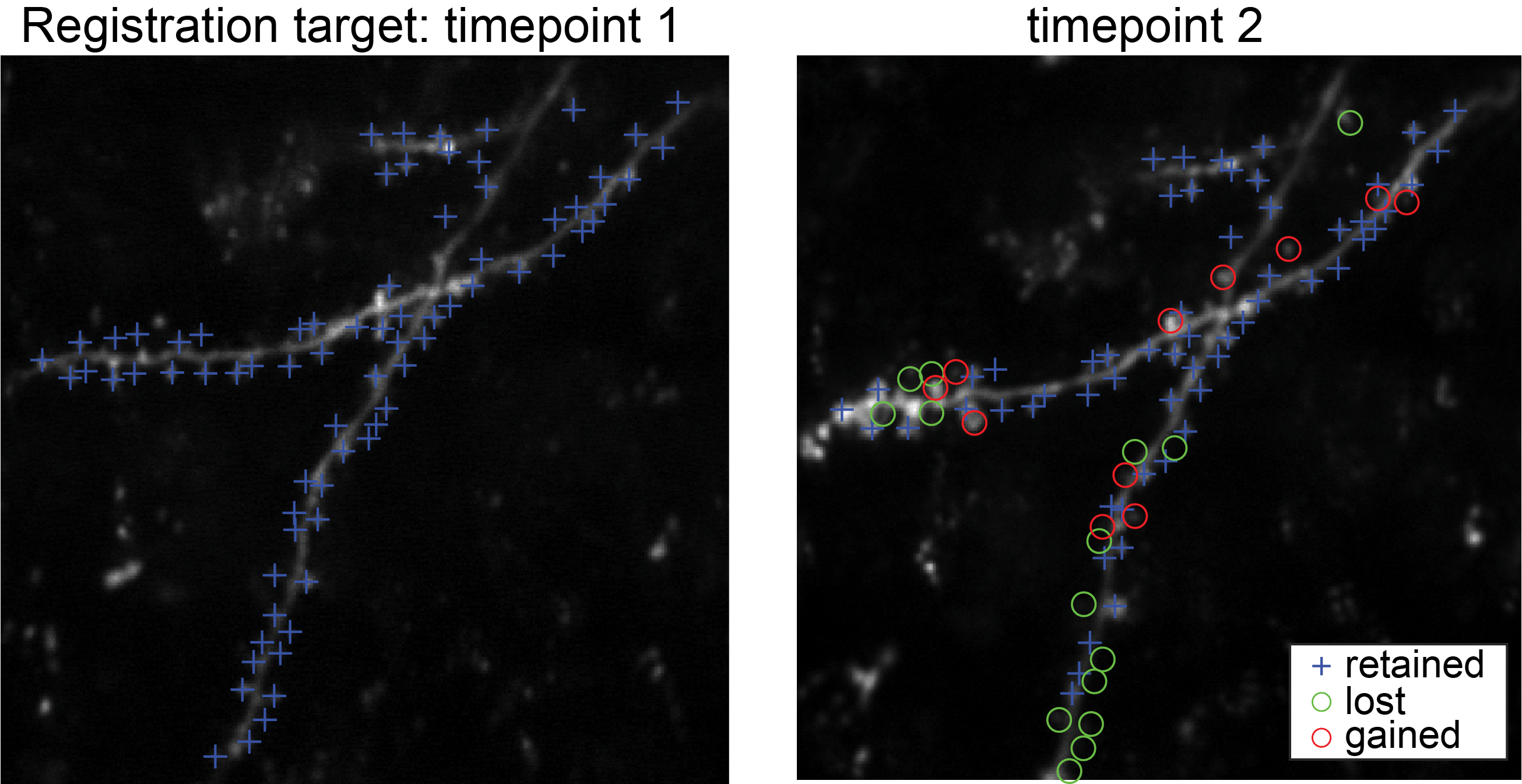
Studies have revealed the deposition of pathological tau in multitudes of neurodegenerative and psychiatric disorders, including Alzheimer’s disease, traumatic brain injury, depression, and chronic substance abuse, all of which present with dendritic spine pathology. The guiding principle underlying what makes some spines more vulnerable to pathological insults remains unclear. Current work at iSLAB seeks to functionally characterize the changes in dendritic and spine activity in the context of pathological progression in mouse models of tauopathy.
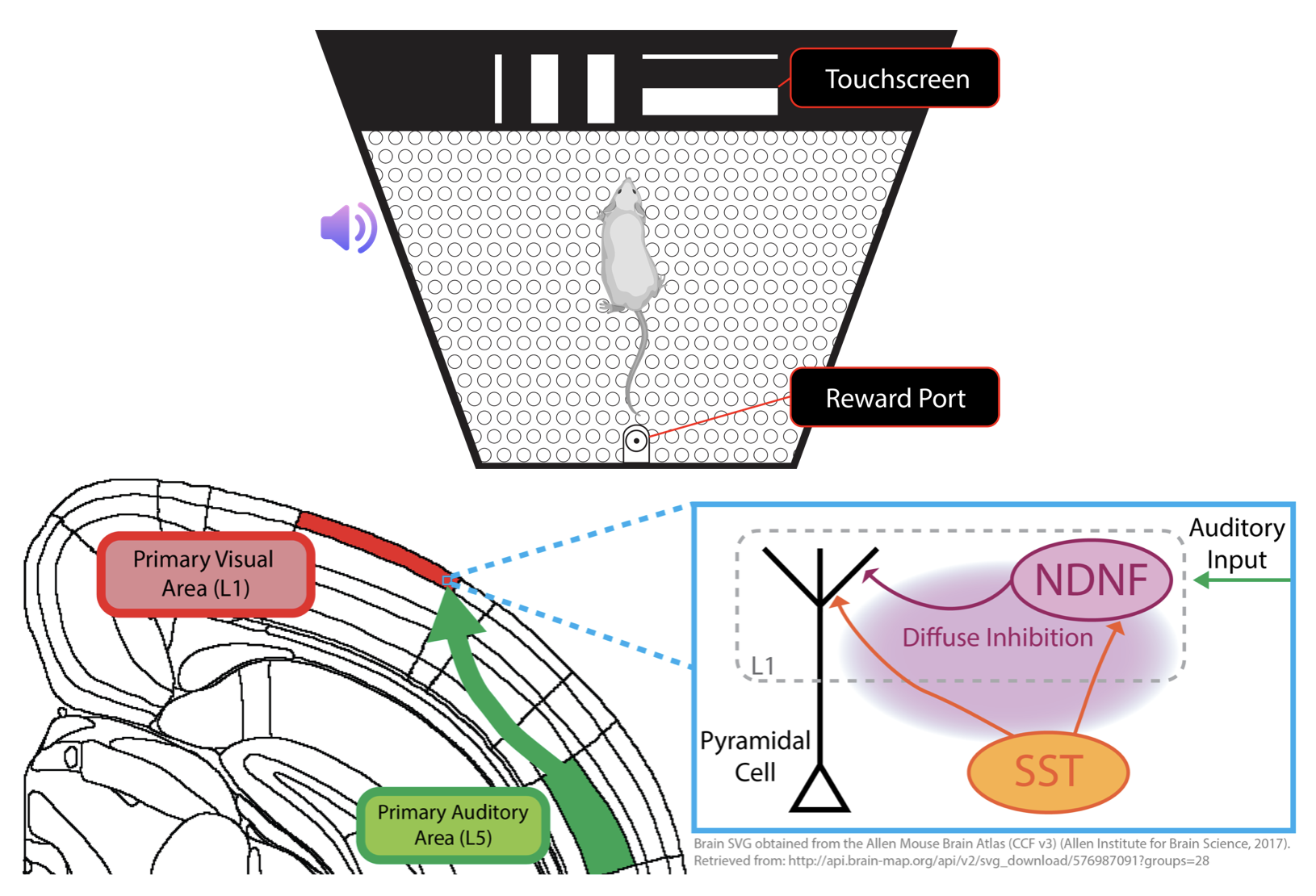
Cross-modal interactions between the primary audio and visual cortices have been suggested to improve encoding, particularly when the presented auditory and visual stimuli are temporally congruent. We study the role of layer 1 NDNF neurons and layer 2/3 SST neurons in the modulation of multisensory integration.